Model validity for preclinical studies in precision medicine: precisely how precise do we need to be
Early mutagenesis studies of the Arabidopsis GS identified a putative glycine-rich loop as important for activity (Wang and Oliver, 1997a,b), which was identified in later structural studies as forming part of the active site (Galant et al., Arabidopsis GS uses a random Ter-reactant mechanism with binding of either ATP or -glutamylcysteine preferred first and addition of glycine last (Jez and Cahoon, Arabidopsis GS and for the eukaryotic homologs (Herrera et al., 2+ to ATP and orienting the -phosphate group in the active site
PubMed Urva, S., Coskun, T., Loghin, C., Cui, X., Beebe, E., OFarrell, L., et al
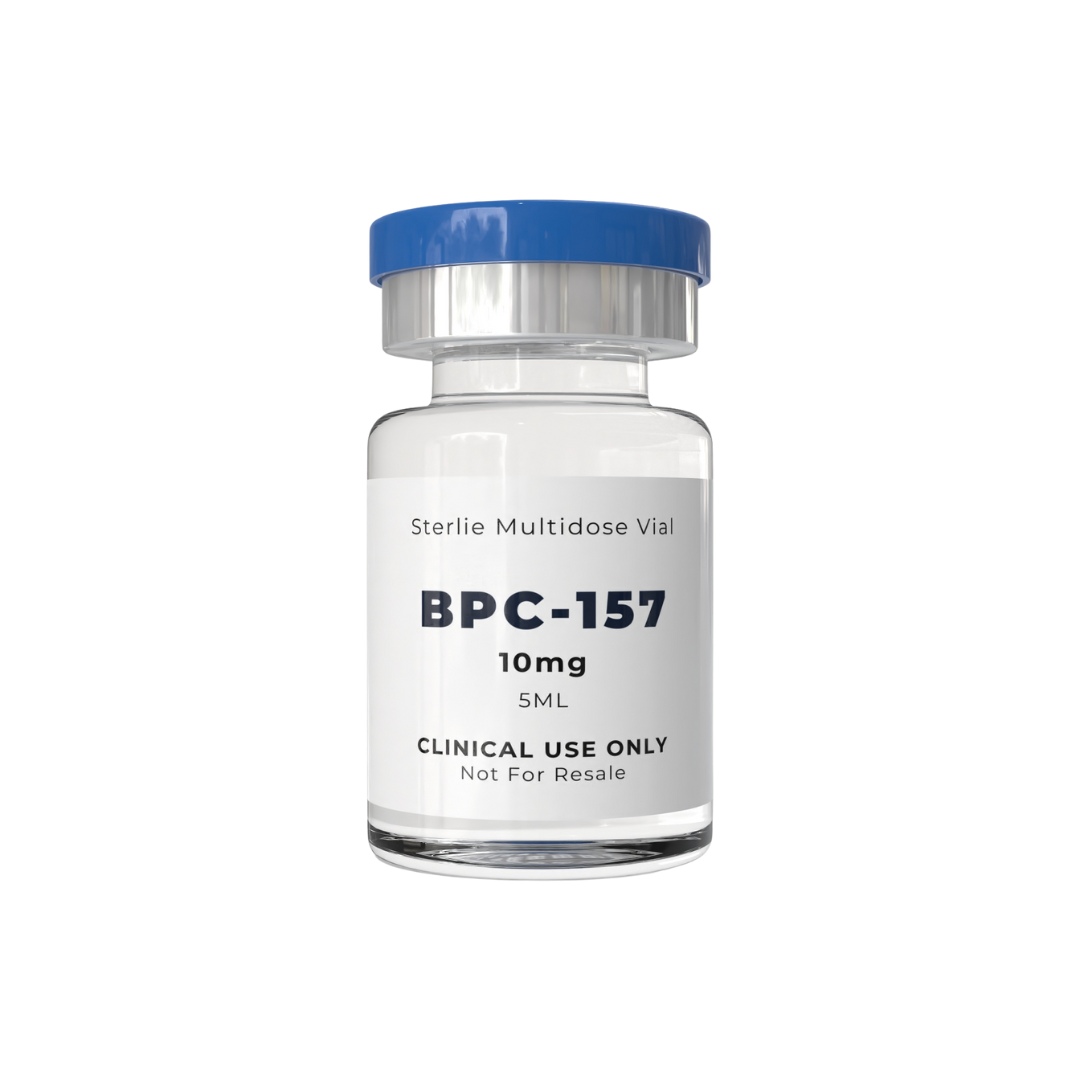
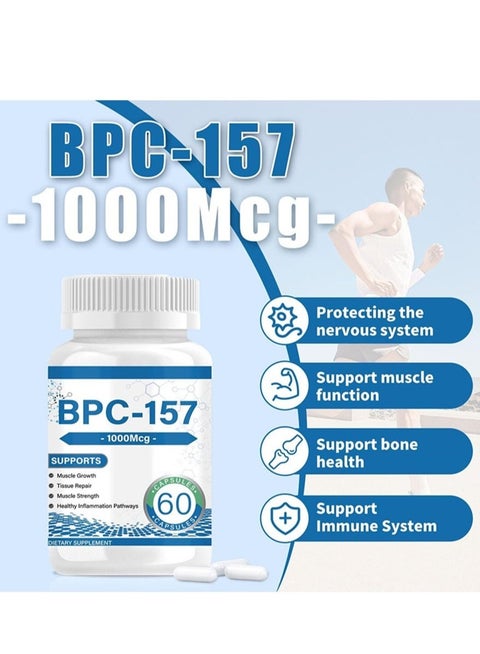
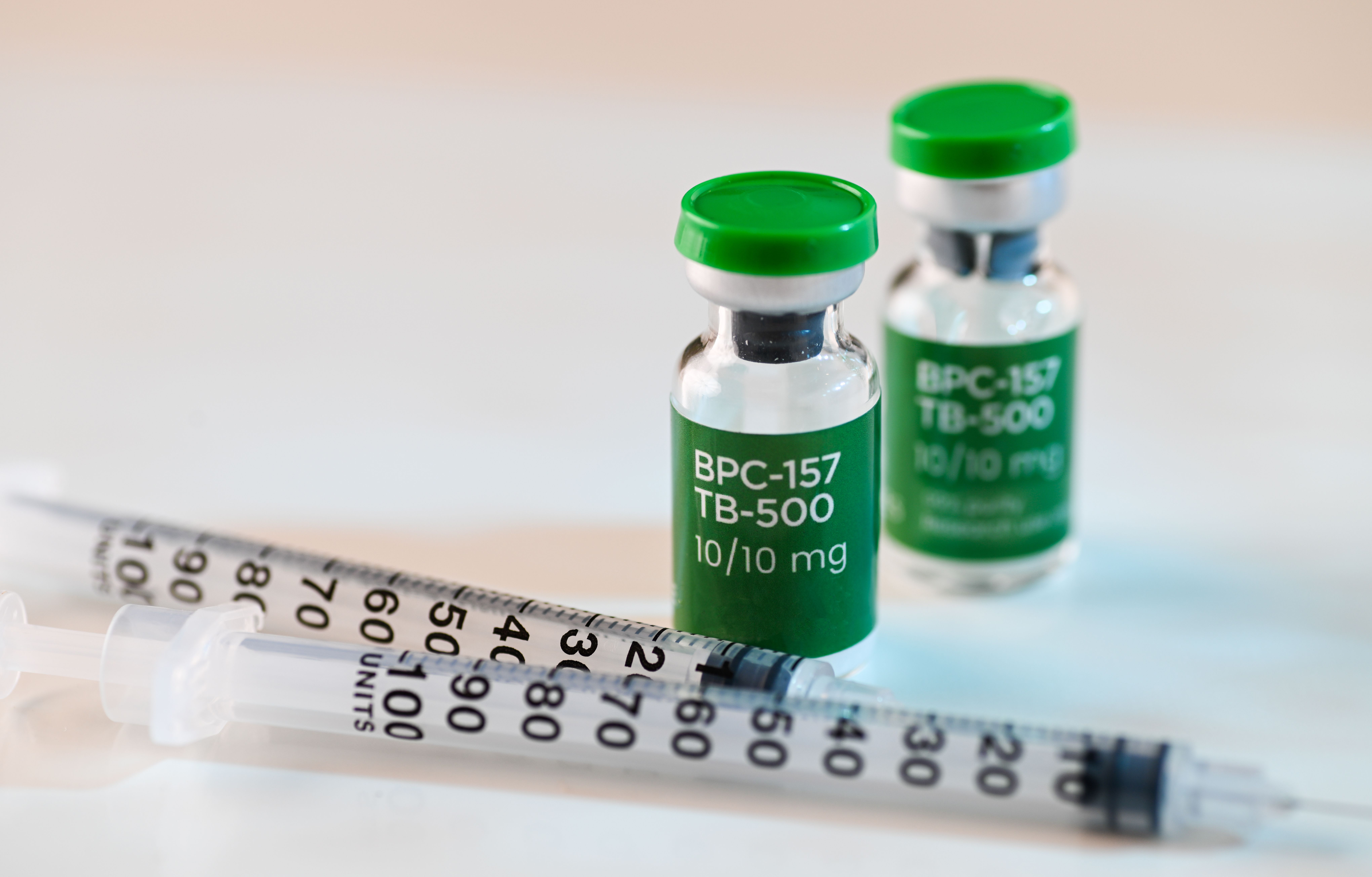
Manufacturing, Purity, and Safety Concerns Why manufacturing matters BPC-157 is made using a complex chemical process involving: Synthetic amino acids (Fmoc-protected amino acids) Polymer resins (Rink, Wang, or PAL resin) Aggressive solvents (DMF, DCM) Reactive coupling agents (HATU, HBTU, DIC, PyBOP) Strong acids (TFA) HPLC chemicals and stabilizers In pharmaceutical-grade production, these chemicals are removed to trace levels through validated purification steps and quality control testing