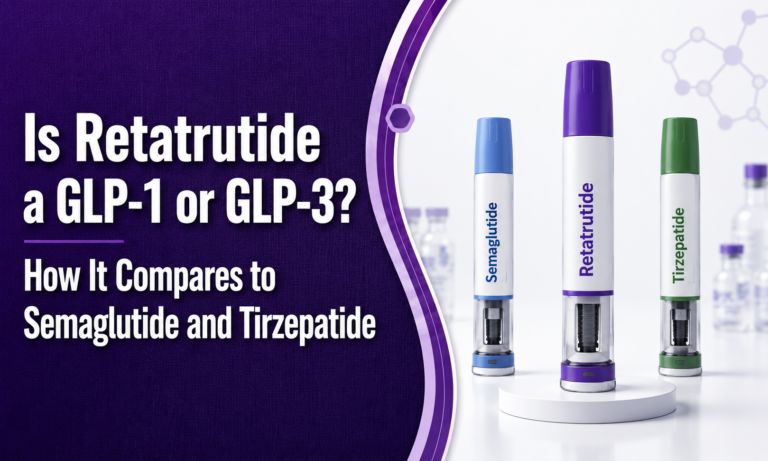
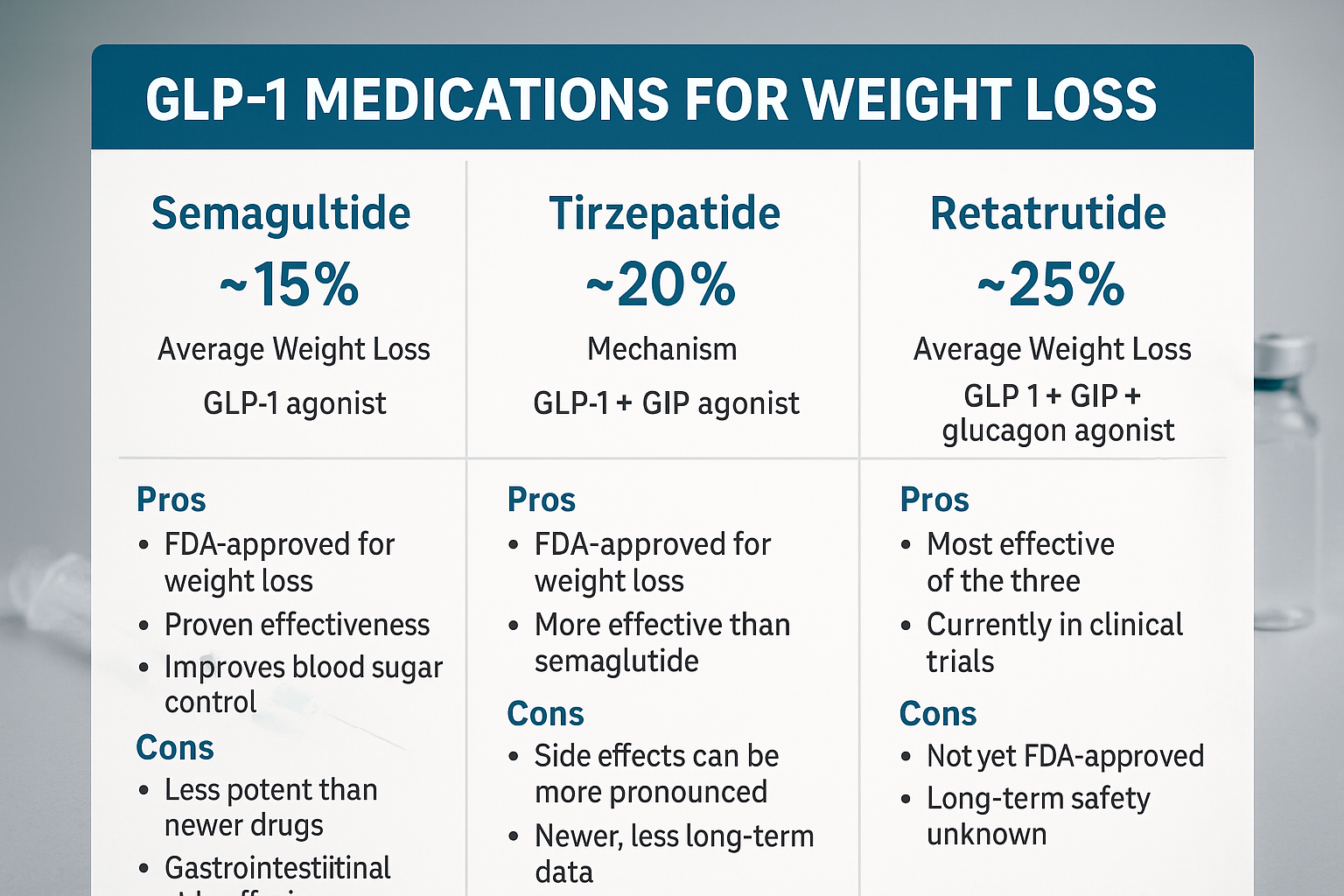
Its a tri-agonist targeting three separate receptor systems simultaneously: The GLP-1 (glucagon-like peptide-1), GIP (glucose-dependent insulinotropic polypeptide), and glucagon receptors
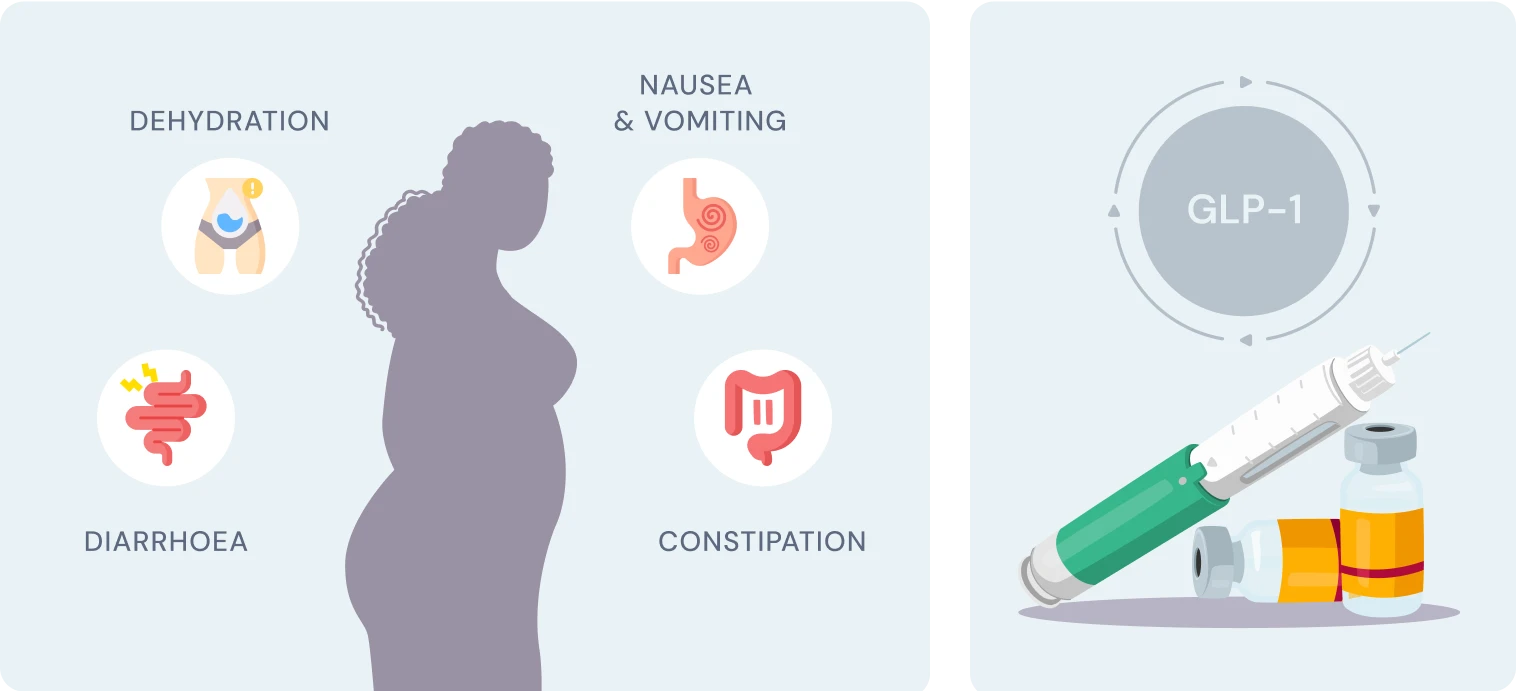
incorrect dosing may exacerbate these effects Gallbladder problems GLP-1 receptor agonist use has been associated with gallbladder disease, including gallstones and cholecystitis Hypoglycaemia If retatrutide is used alongside insulin or sulfonylureas, there is an increased risk of low blood glucose Call 999 or go to A&E immediately if you experience: Difficulty breathing, throat swelling, or any signs of anaphylaxis Severe abdominal pain (which may indicate pancreatitis or a gallbladder problem) Rapid heart rate, dizziness, or collapse following injection Contact your GP or NHS 111 if you experience: Persistent nausea, vomiting, or inability to tolerate food or fluids Signs of infection at the injection site (increasing redness, warmth, swelling, or discharge) Upper right abdominal pain or pain radiating to the shoulder (possible gallbladder symptoms) Any unexpected or concerning symptoms following use If you feel unwell after using an unlicensed injectable, stop use immediately and bring the vial and any packaging with you when seeking medical attention, as this will assist healthcare professionals in assessing your situation
The evidence suggests a low frequency of serious adverse effects, and these do not impact the effectiveness of the combination
Limited long-term safety data














![Treetop Village [Friday Night Magic 2004] Happy Holidays](https://cdn.shopify.com/s/files/1/0320/9510/9259/files/97777640-5506-513d-ad86-3cf1154f65b2.jpg?v=1778450270)


