Initially, some patients might need weekly injections, while others might benefit from monthly maintenance dosages

Key metabolic effects include: Enhanced lipolysis through activation of fat breakdown pathways independent of growth hormone receptors Suppressed lipogenesis reducing conversion of non-fat substrates into stored fat Increased fat oxidation and energy expenditure in multiple species models No adverse effects on insulin sensitivity or glucose metabolism, unlike full-length growth hormone Independence from IGF-1 Signaling A critical distinction of AOD-9604 is its lack of IGF-1 pathway activation: No measurable changes in serum IGF-1 levels in human clinical trials Absence of growth-promoting effects on tissues No impact on blood glucose regulation or insulin resistance Avoidance of typical growth hormone side effects including edema and tissue overgrowth Metabolic Pathway Modulation Research indicates AOD-9604 influences energy metabolism through multiple mechanisms: Increased whole-body fat oxidation rates in animal models Enhanced metabolic rate without stimulant-like effects Potential modulation of uncoupling proteins in adipose tissue Effects on lipid metabolism that persist beyond plasma clearance Critical Mechanistic Gap: Despite extensive research, the primary receptor target for AOD-9604 remains unidentified
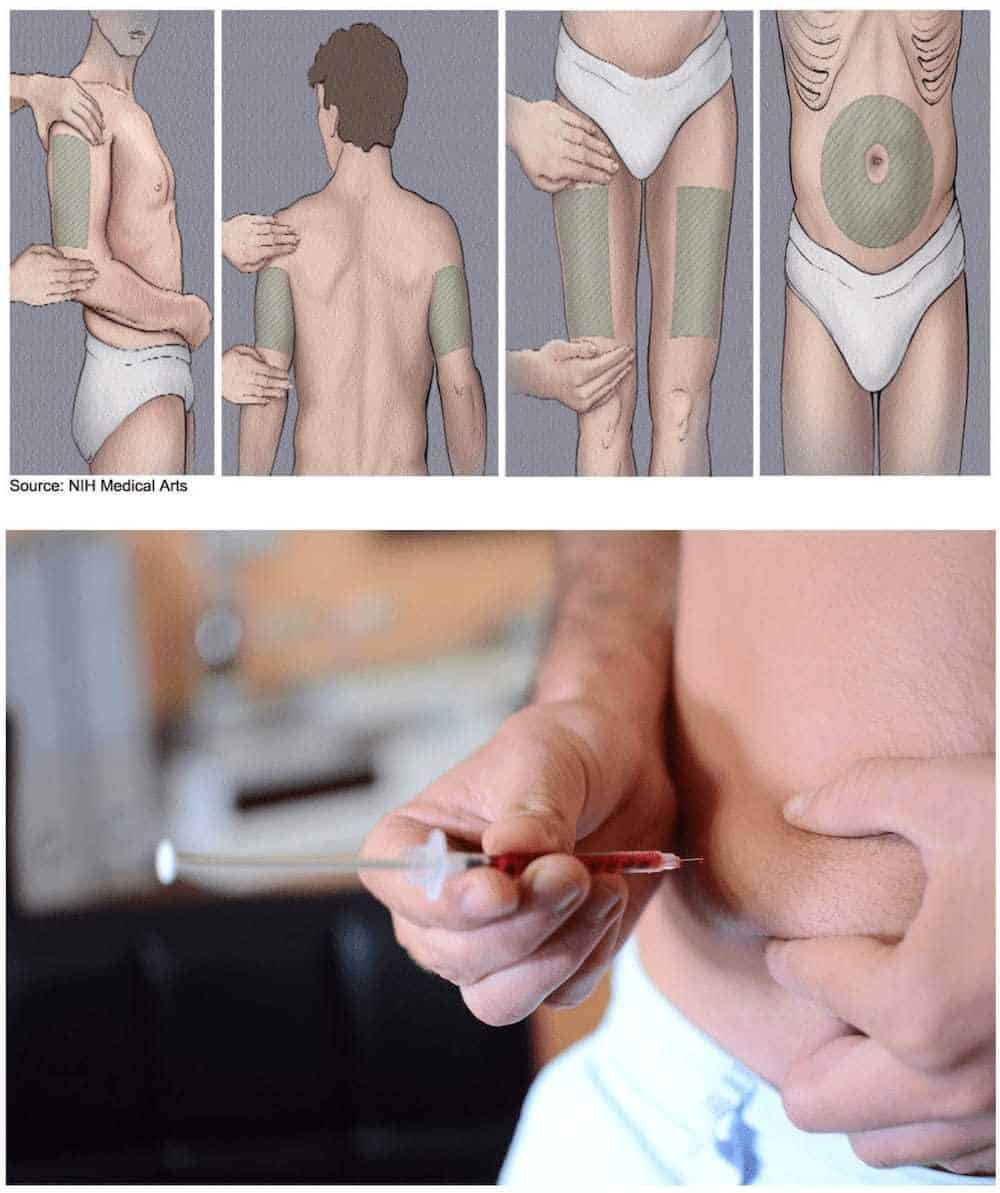
If you are trying to lose weight, discuss a healthy weight loss plan with your healthcare provider
higher-dose oral therapy (1,0002,000 micrograms daily) may be considered as an alternative to injections in selected cases with adequate absorption For those taking supplements , consider these safety principles: Use supplements only when clinically indicated (confirmed deficiency or high-risk groups such as vegans, elderly, or those with malabsorption) In the UK, hydroxocobalamin is the preferred injectable form Avoid mega-doses without medical supervision