The survival rate at 6-month, 12-month and 2 years was 82%, 54% and 26% in the group of patients treated only with TACE, while in the TACE+MEL group it was 100%, 68% and 40% of all patients, respectively
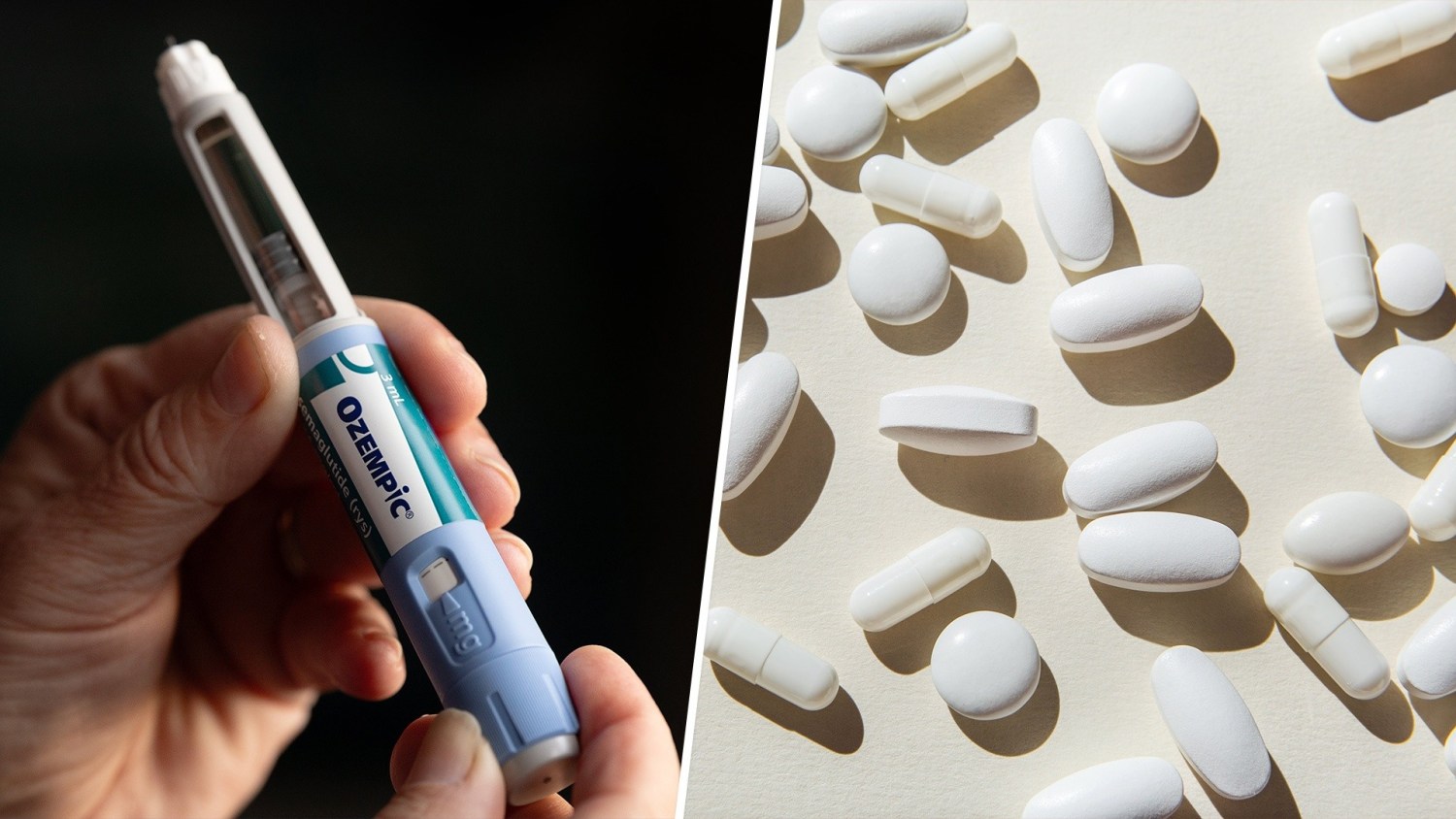
Key protective strategies include: Pre-treatment ophthalmologic evaluation : Establish baseline retinal status before initiating GLP-1 therapy, particularly in patients with diabetes duration exceeding 10 years or poor prior glycemic control Individualized medication titration : Consider a more gradual dose escalation approach to avoid precipitous drops in blood glucose for patients with advanced diabetic retinopathy, in coordination with ophthalmology care Appropriate monitoring : Discuss with your healthcare provider whether more frequent eye examinations are needed based on your individual risk factors and baseline retinal status Prompt reporting of visual symptoms : Contact your healthcare provider immediately if you experience sudden vision loss, new or dense floaters, flashing lights, a "curtain" over your vision, eye pain with vision changes, or any sudden vision disturbance Patients without pre-existing diabetic retinopathy can generally follow standard eye examination schedules and do not require additional ophthalmologic monitoring solely due to GLP-1 use
From the first consultation, we assess whether your medical records support causation, ensure your case aligns with the mass tort framework, and guide you through every stage
Once the regulatory signals have been delivered, the body maintains the improved function for extended periods before another course may be needed