For this reason, it can be difficult for patients and healthcare providers alike to discern whether the medication is working as intended or the person has had a relapse into disordered eating, says Brad Smith, MD, a physician in Madison, Wisconsin, and the chief medical officer for the Emily Program, a network of eating disorder treatment centers
European Neuropsychopharmacology, 23(10), 12191225
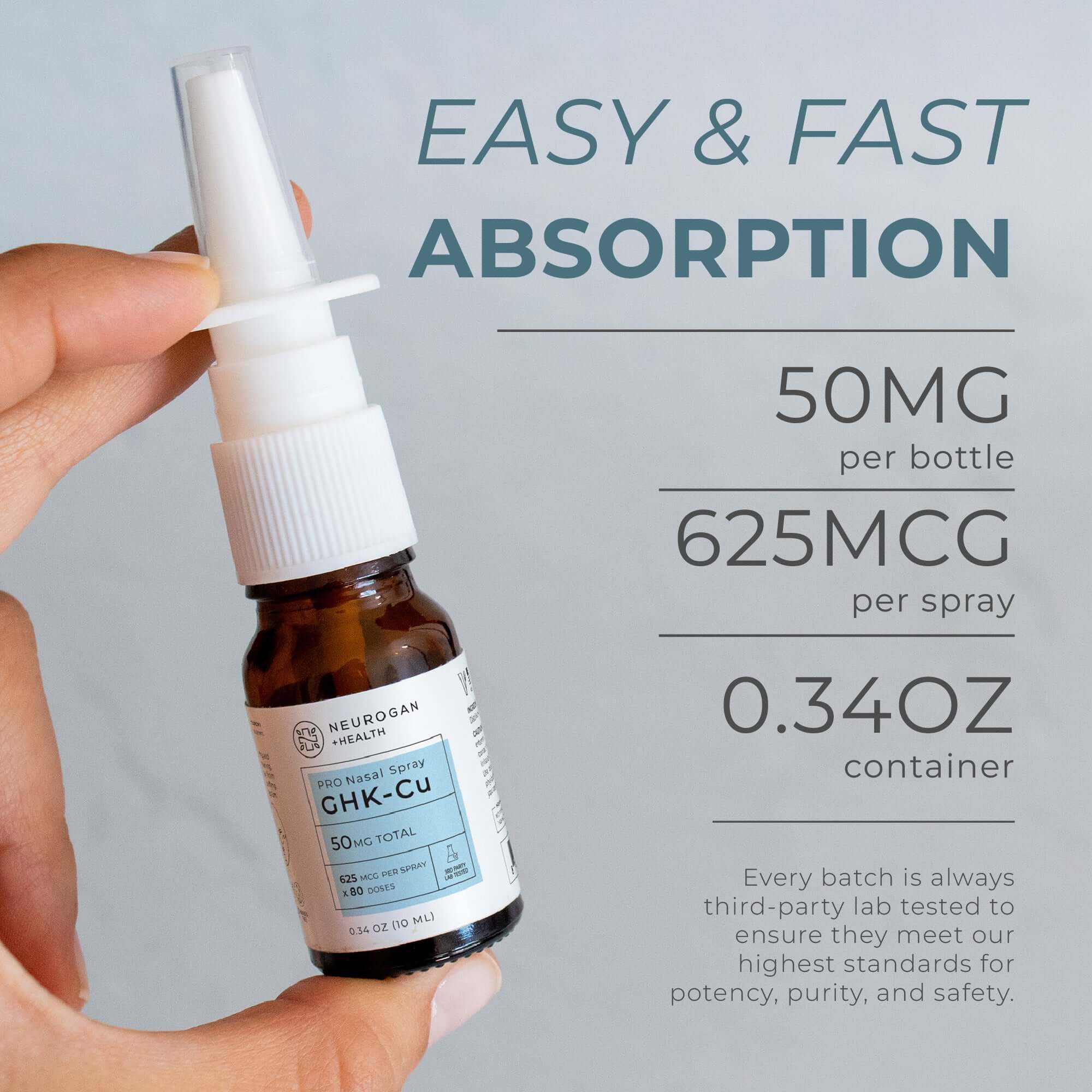
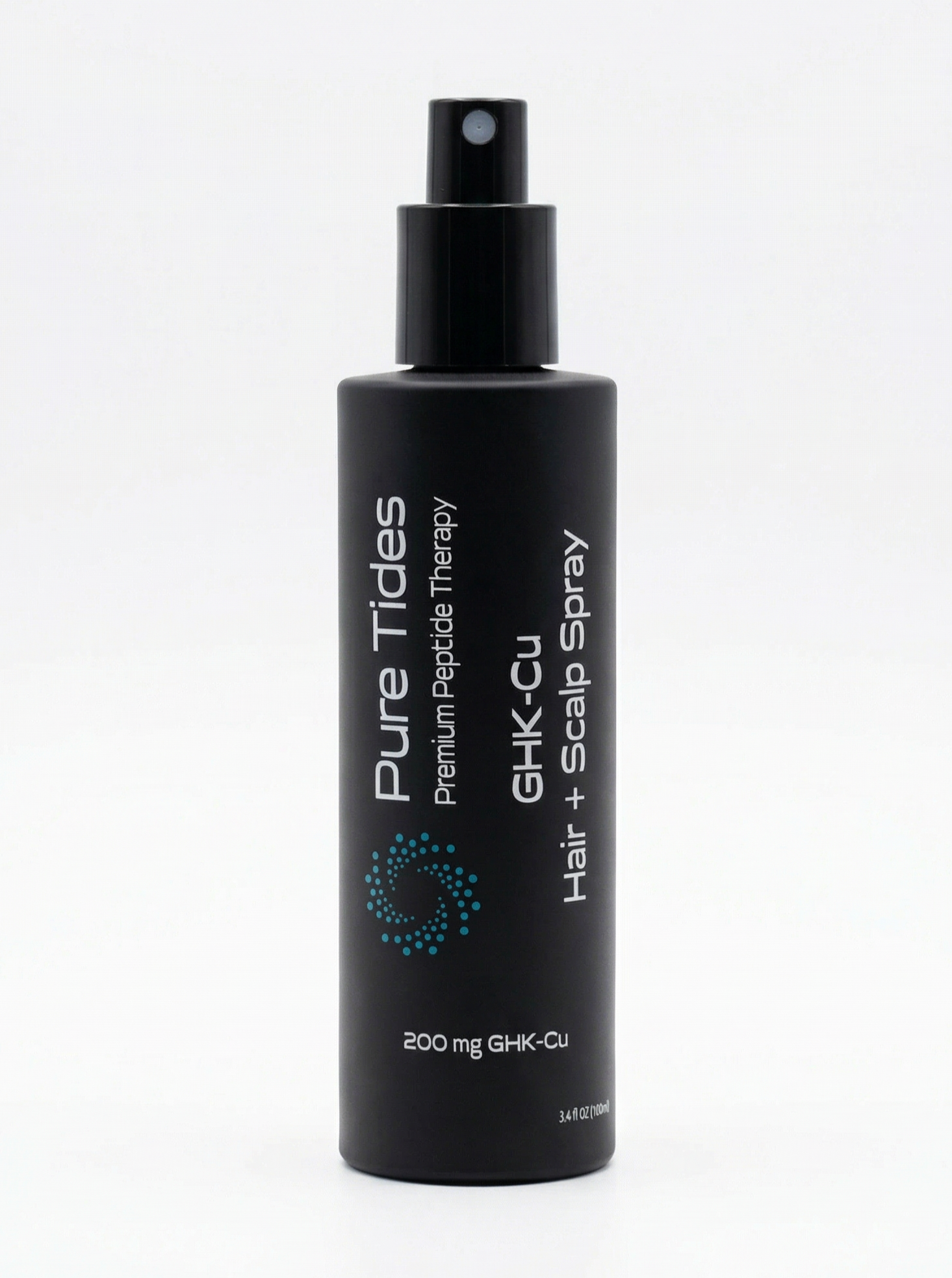
For GHK-Cu, the strongest human evidence is in wound healing, diabetic ulcer treatment, and hair loss (multiple randomized trials in androgenetic alopecia)
By improving taste sensitivity, the medication may help the brain feel satisfied with much smaller amounts of sugar, or even make overly sweet foods taste unappealingly intense