After full recovery, correct cannulation was tested by observing water drinking responsiveness after infusion of 1 l human angiotensin II (Sigma-Aldrich, A9525) at a concentration of 24 M in artificial cerebrospinal fluid (distilled water with 125 mM NaCl, 2.5 mM KCl, 2.6 mM NaHCO 3 , 1.25 mM NaH 2 PO 4 2H 2 O, 25 mM d-glucose monohydrate, 1 mM MgCl 2 , 2 mM CaCl 2 )

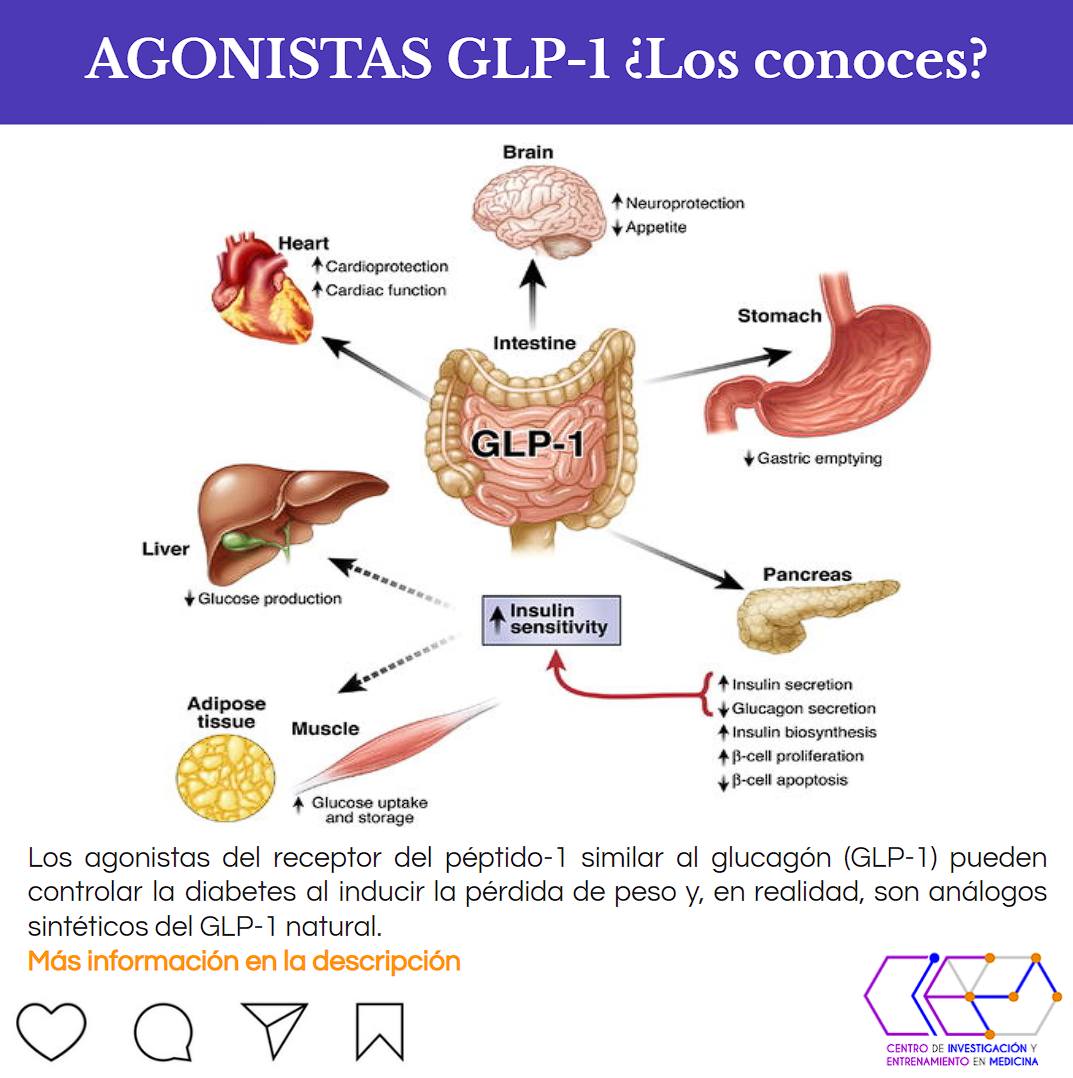
unclear human risk) Contraindications: Personal or family history of medullary thyroid cancer Multiple endocrine neoplasia syndrome type 2 Severe gastrointestinal disease GLP-2 Safety Profile Common Side Effects: Injection site reactions Headache Abdominal pain or distension Nausea Serious but Rare: Intestinal obstruction Gallbladder and bile duct issues Fluid overload Contraindications: Active gastrointestinal malignancy Known hypersensitivity to the medication General Safety Recommendations Always use pharmaceutical-grade peptides from reputable sources Start with lower doses and increase gradually Monitor for side effects closely Stay well-hydrated Maintain regular medical check-ups Report any concerning symptoms immediately Find the GLP right for you While GLP-1, GLP-2, and GLP-3 all originate from the same proglucagon precursor, they serve vastly different functions in your body: GLP-1 is your metabolic master regulator, controlling blood sugar, appetite, and weight while protecting your heart and potentially your brain

During your complimentary consultation with Nurse Practitioner, we will evaluate your medical history and overall health to determine if the GLP-1based treatment is right for you
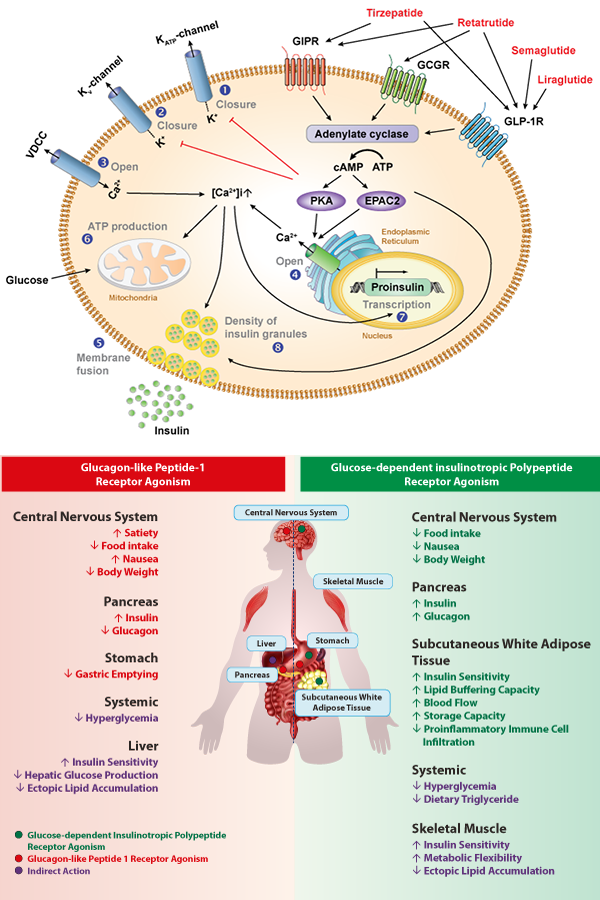
Compared to sulfonylureas and metformin, liraglutide demonstrates advantages in glycemic control (assessed by HbA1c levels) and reduction of liver fat content (LFC) in patients with MASLD and T2DM, with a more significant difference observed over sulfonylureas