Key drivers: Tissue damage Microtears, fraying, articular cartilage degeneration, compromised ligament/tendon integrity Chemical irritation Pro-inflammatory cytokines (e.g., TNF-, IL-1), acidotic microenvironments, enzymatic degradation of extracellular matrix Mechanical stress Joint instability, aberrant gait or movement patterns, maldistributed forces, shearing and compressive overload Neural sensitization Peripheral nociceptor upregulation, angry free nerve endings firing continuously, dorsal horn wind-up, central sensitization increasing pain output Lifestyle and systemic factors Poor sleep, nutrition imbalances, metabolic stress, psychosocial load, smoking, inactivity Age-related decline Reduced native stem cell pool and vigor, decreased reparative signaling, diminished angiogenic responses, slower collagen remodeling Why traditional symptom management often falls short: NSAIDs and steroids Useful for acute severe pain but can impair cartilage health (chondrotoxicity), weaken tendons/ligaments, disrupt gut barrier, and fail to resolve root mechanical and immune drivers One-off procedures Arthroscopic clean-outs for degenerative arthritis show limited long-term benefit compared to sham in many cases

A1: It's primarily used for skin whitening, anti-aging, and overall skin rejuvenation
It analyzes pathway-level variants (GLP1R, FTO, and MC4R) that relate to the biology involved, offering context for a conversation with your provider rather than a prediction
It makes research peptides, antibodies, and assay kits in Burlingame, California, with a catalog of over 9,000 items, HPLC purity of 98% or higher, a Certificate of Analysis with every order, and ISO 9001 certification

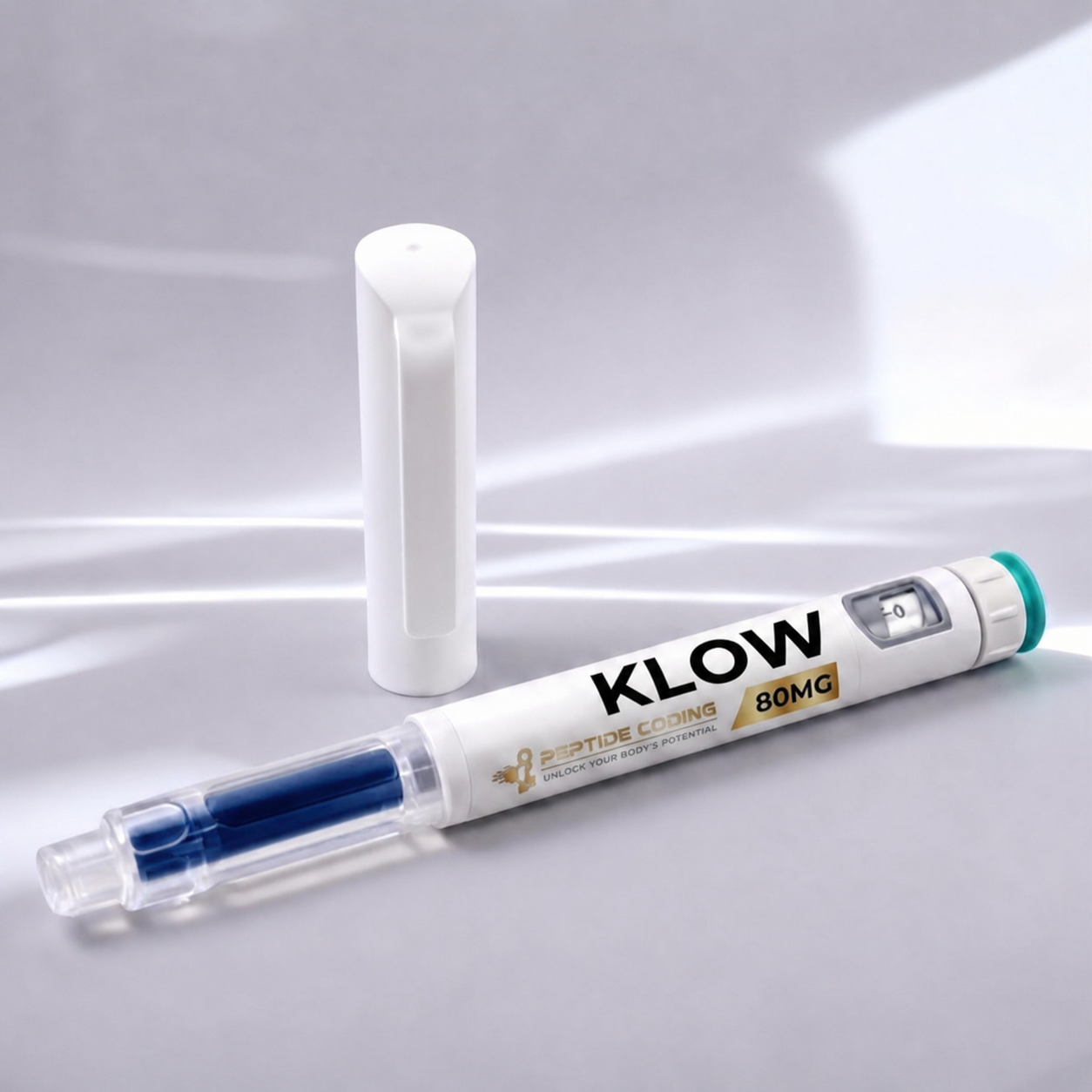
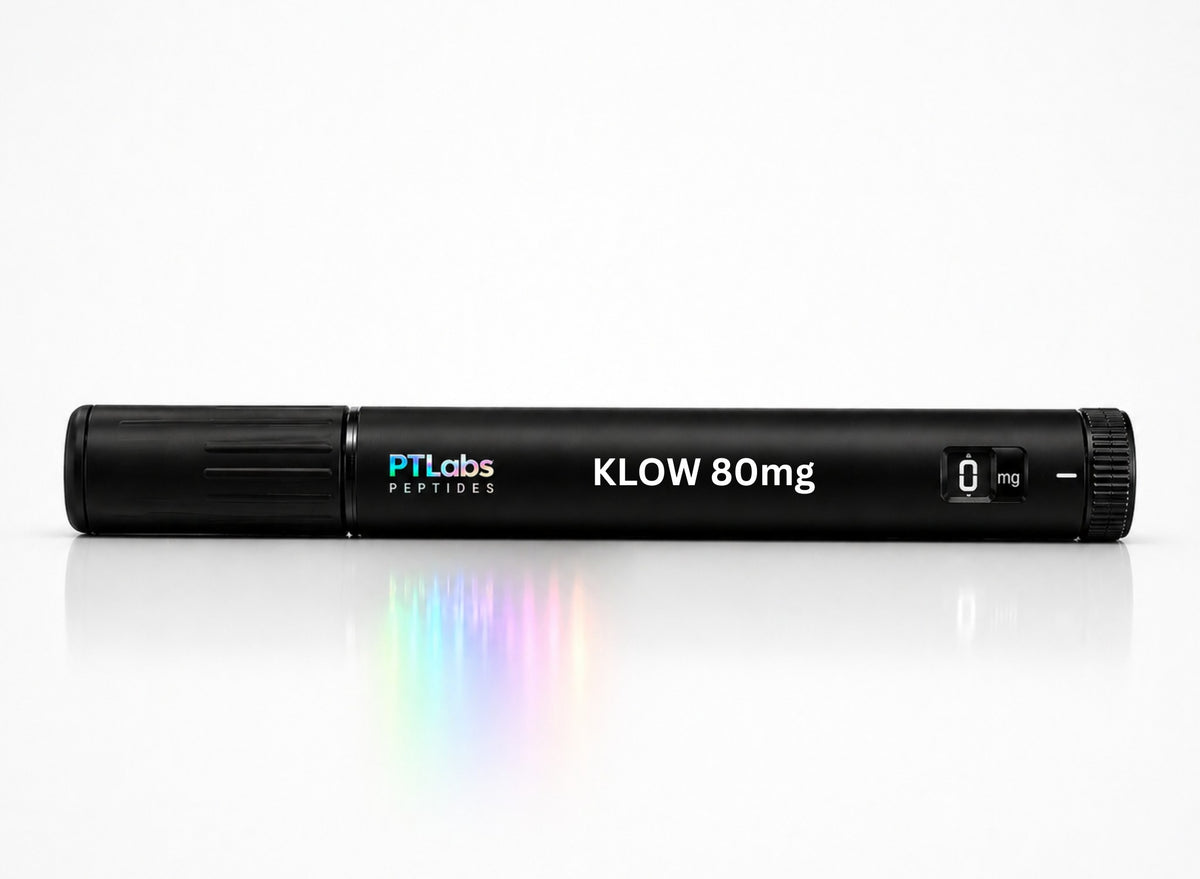
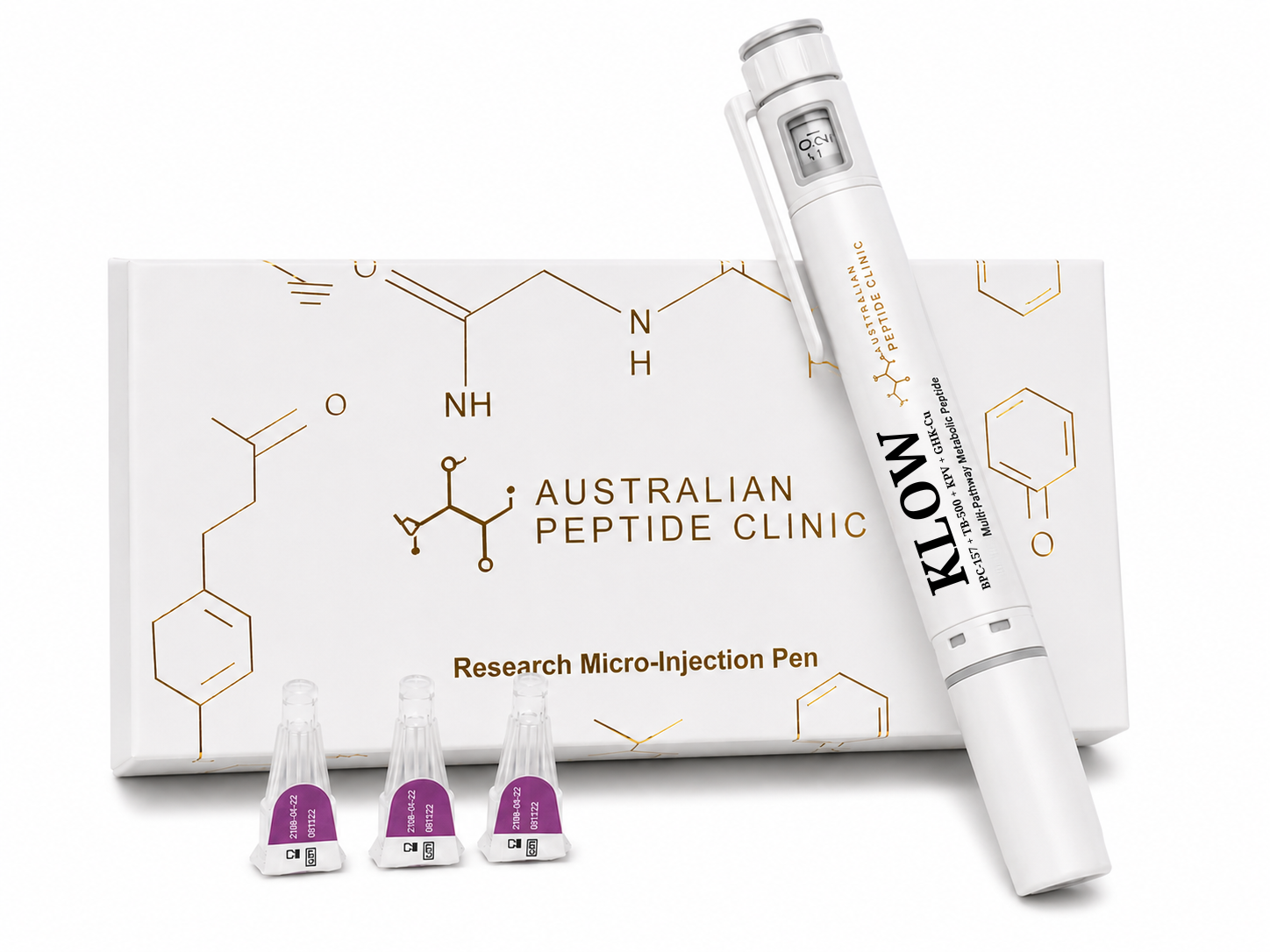

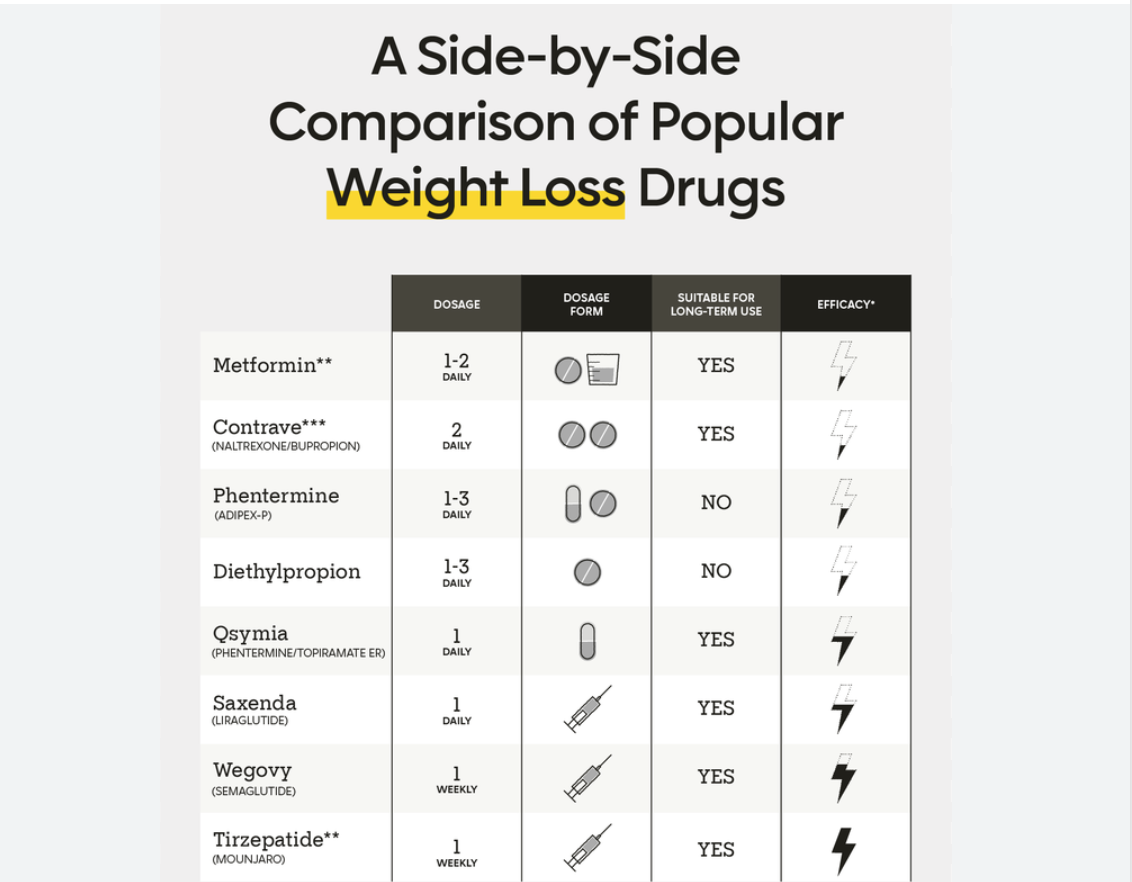









![Ticket Laser de Collection Set [Blue Archive] - A Little Before the Food Piled Up ~The Best Game~ Style:Aikiyo Fuuka (New Year ver.)](https://cdn.shopify.com/s/files/1/0520/1815/1582/files/O1CN01yXrXUq2EWvlSJyM39__2215890568753.jpg?v=1732730330)
![Acrylic Stand [Love and Deepspace] - Sylus - Where Drakeshadow Fall - Abysm Sovereign Shigure Ui](https://cdn.shopify.com/s/files/1/0520/1815/1582/files/O1CN01KNilmk1FkxM9vLrIL__2206724980526.jpg?v=1737158912)
![Badge [Genshin Impact] - Albedo Impressions - Limited my dress up darling](https://cdn.shopify.com/s/files/1/0520/1815/1582/files/O1CN011NS8nJ1v7Iv4xTJEa__2208460416125.jpg?v=1735933008)
