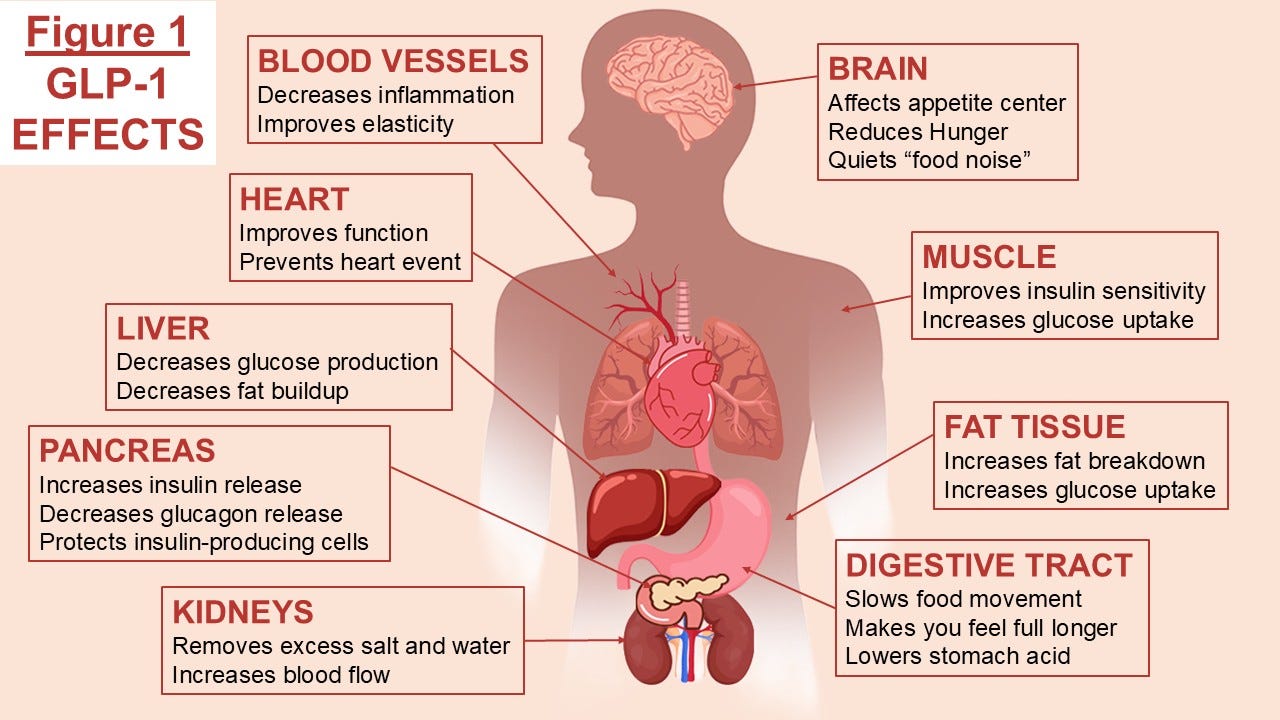
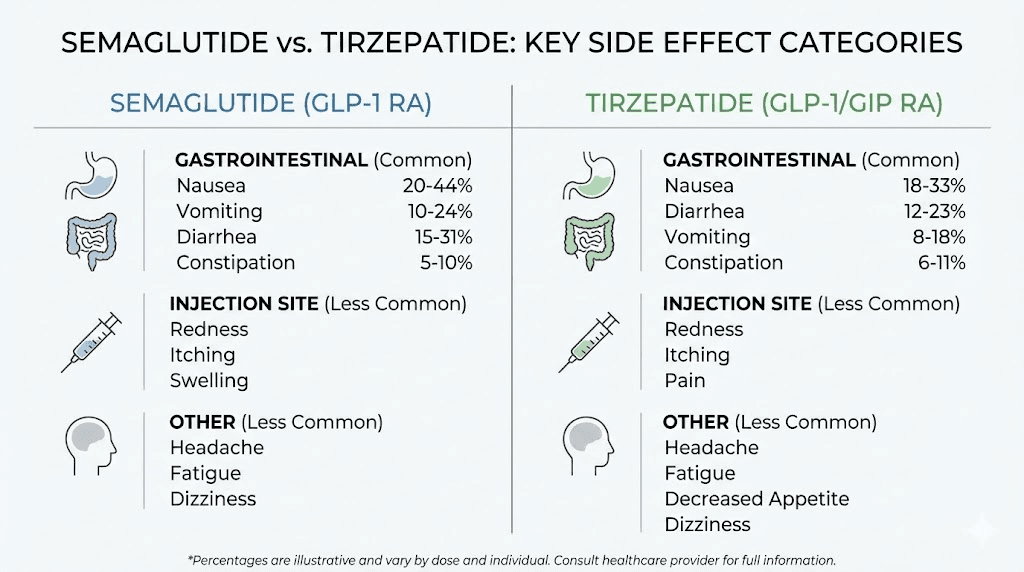
With GLP-1 medications, this may happen due to delayed gastric emptying, which allows food to remain in the stomach longer, potentially leading to bacterial fermentation and gas production with a characteristic sulphurous odour
Researchers comparing non-incretin options can also review the tesofensine protocol and SLU-PP-332 protocol
GLP-1 Insurance Coverage for Weight Loss: 2026 Guide
A GLP-1-friendly diet may include: Lean protein such as chicken, turkey, fish, eggs, Greek yogurt, tofu, and cottage cheese High-fiber vegetables such as broccoli, spinach, cauliflower, zucchini, peppers, and leafy greens Fruits such as berries, apples, pears, and citrus Beans, lentils, and chickpeas Whole grains such as oats, quinoa, and brown rice Healthy fats such as avocado, olive oil, nuts, and seeds Plenty of water throughout the day Patients should usually limit fried foods, greasy meals, oversized portions, sugary drinks, highly processed snacks, and heavy alcohol use