Because of its interaction with cellular redox balance and oxidative-stress pathways, Glutathione is commonly investigated in research involving: Antioxidant and oxidative-stress regulation Skin-integrity and pigmentation-related pathways Immune- and inflammation-related pathways Mitochondrial and metabolic research Healthy-aging and cellular-maintenance investigations Observed side effects in research settings are generally mild and may include temporary administration-site irritation, headache-related observations, nausea-related observations, flushing-related sensations, or sensitivity-related observations depending on research amount, administration frequency, and experimental conditions
On a body-weight basis, these doses are 600 times (in mice) and 100 times (in rats) the Maximum Recommended Human Dose (MRHD) for the hydrochlorothiazide component of triamterene and hydrochlorothiazide tablets, (50 mg/day or 1 mg/kg/day based on a 50 kg patient)
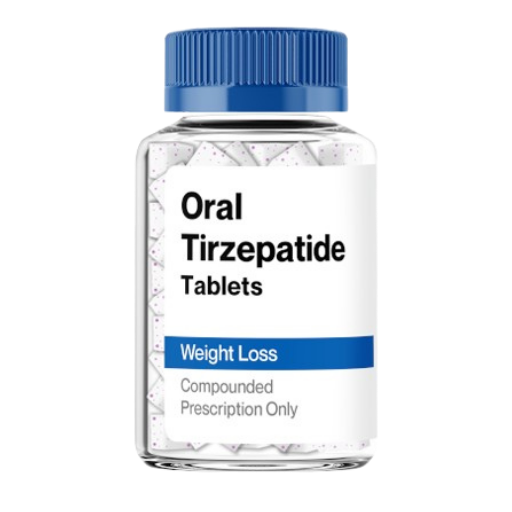
Phase 2 data (published 2023) Phase 2 results published in the New England Journal of Medicine in 2023 provided the first substantial evidence for the mechanism, reporting dose-dependent body-weight reductions reaching approximately 24% at the highest doses, HbA1c improvements comparable to or exceeding tirzepatide, a safety profile dominated by gastrointestinal tolerability effects, and energy-expenditure increases documented by indirect calorimetry
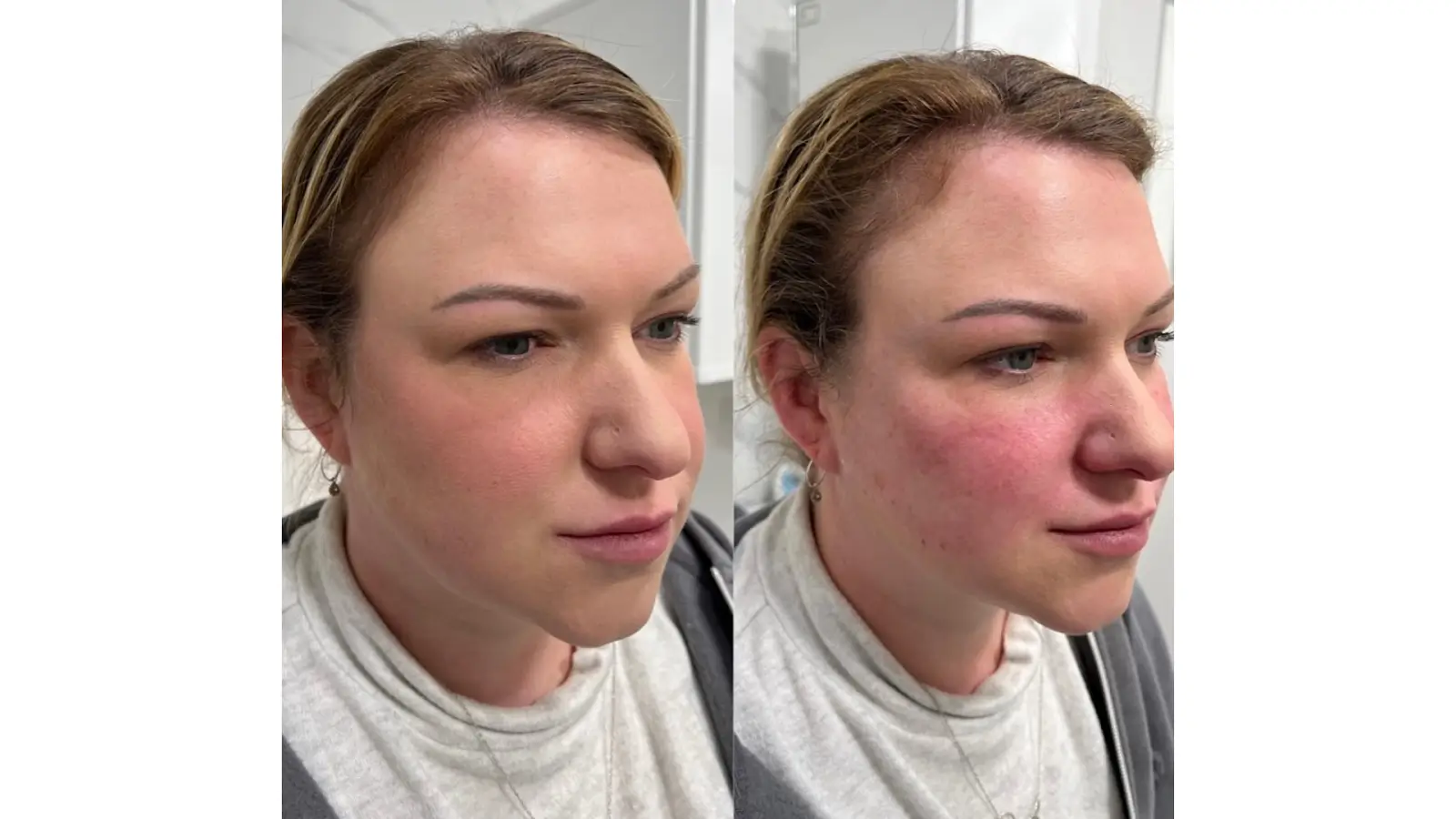
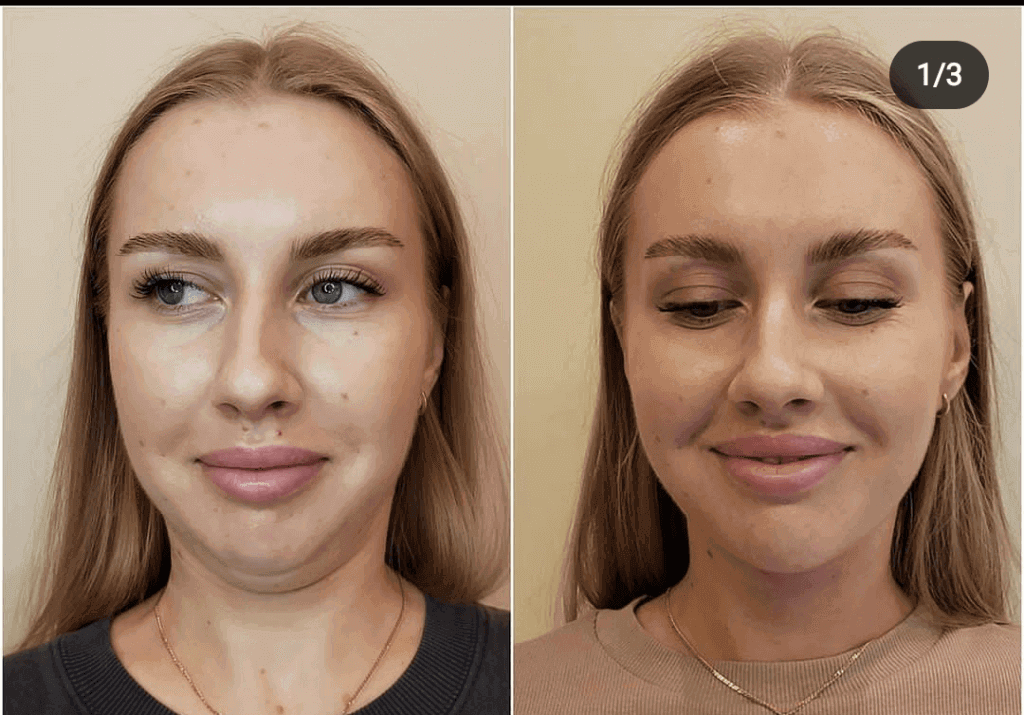
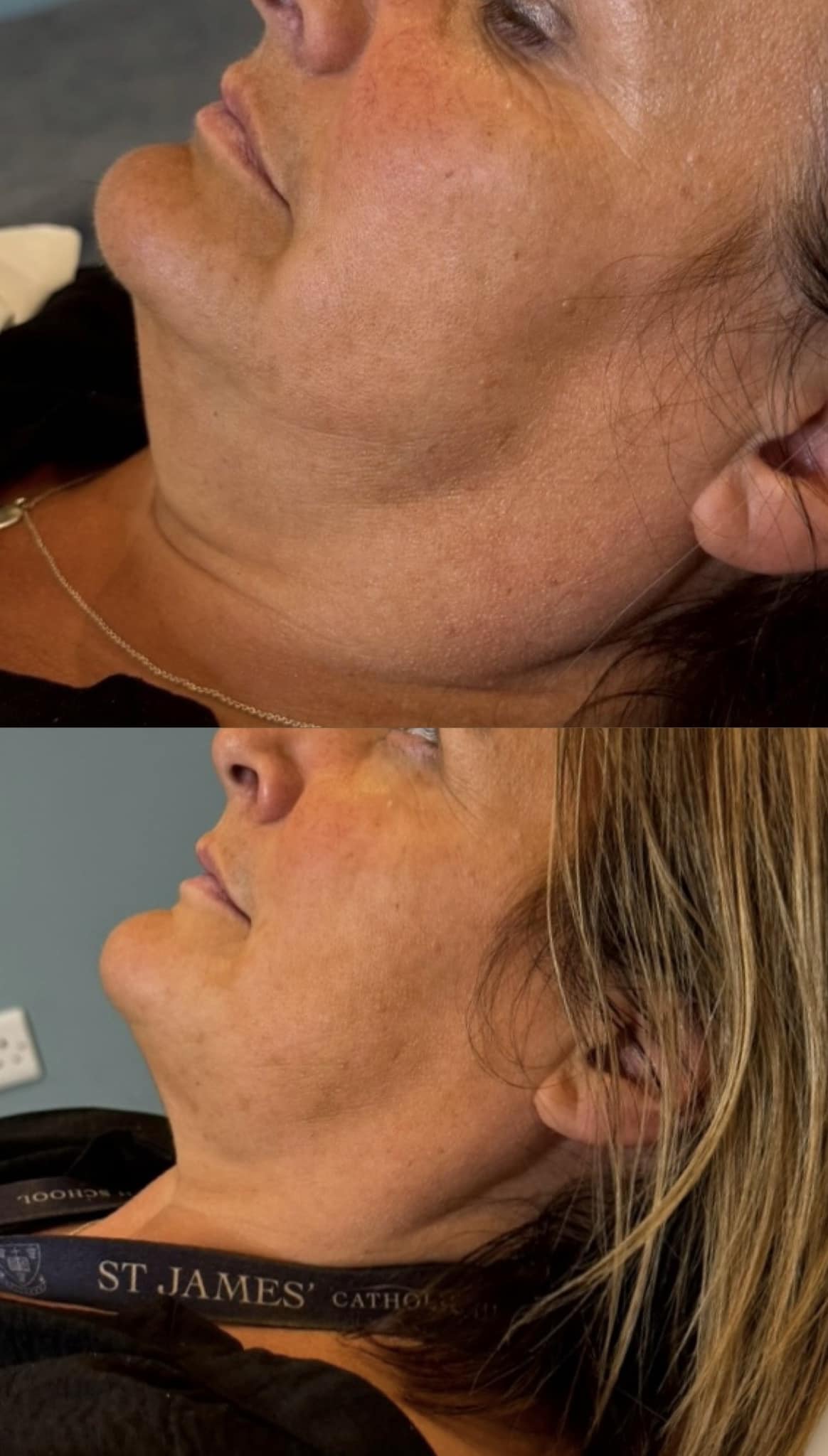
3,4 As the pure-play dermatology category leader, Galderma is spearheading efforts to identify and address the most predominant aesthetic concerns of patients along their weight loss journey